
Watershed Wise Resources
Homeowners’ choices on their property can help protect clean water for everyone to enjoy. This page provides links to resources that describe how to reduce or eliminate harmful pollutants that can harm our lakes, ponds, and streams.
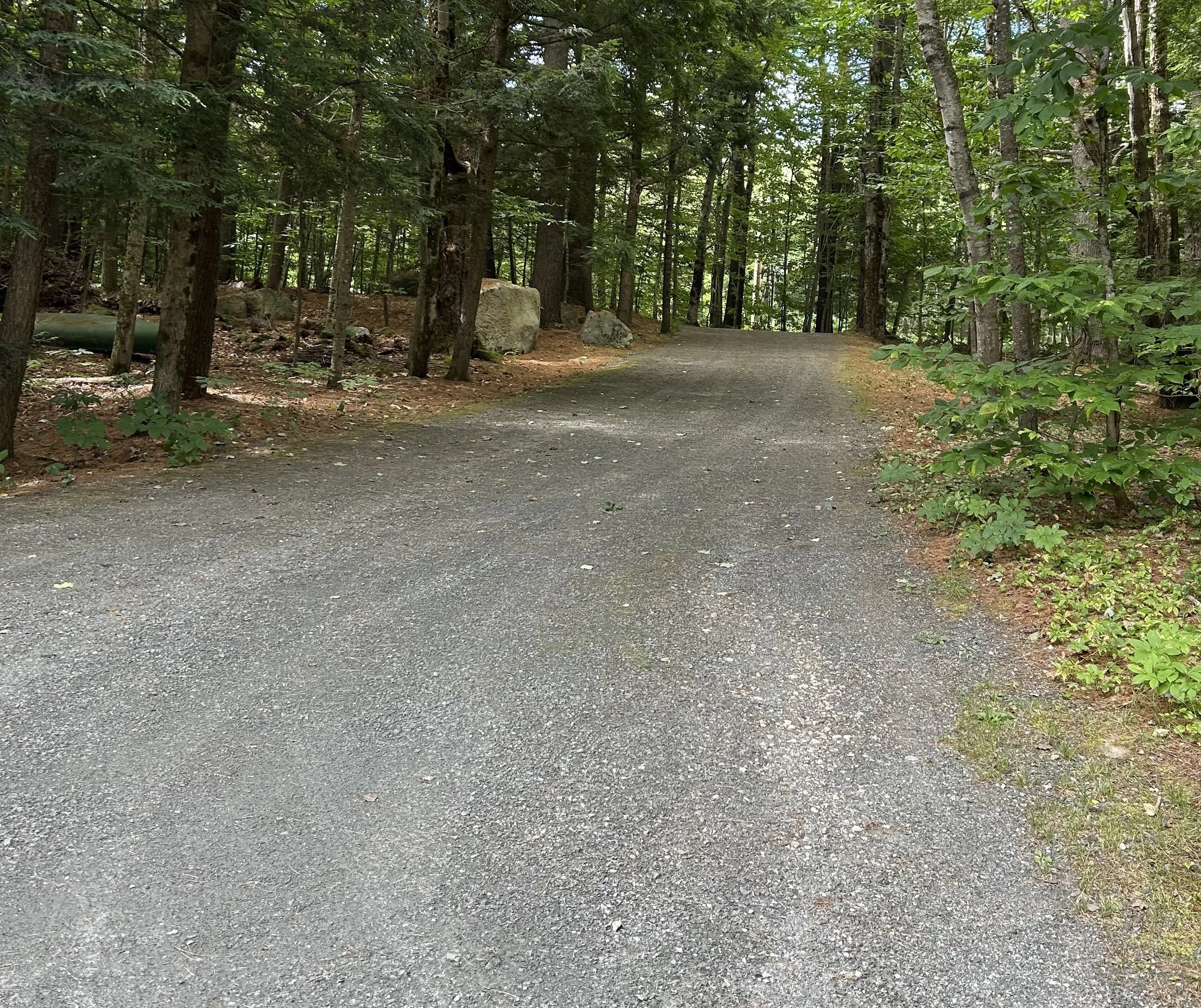
Regardless of what their surface is made of, driveways and parking areas are generally impervious to stormwater. Rain and snowmelt can cause erosion and wash pollutants like sand and salt off of the driveway into nearby waterways, where they degrade water quality.
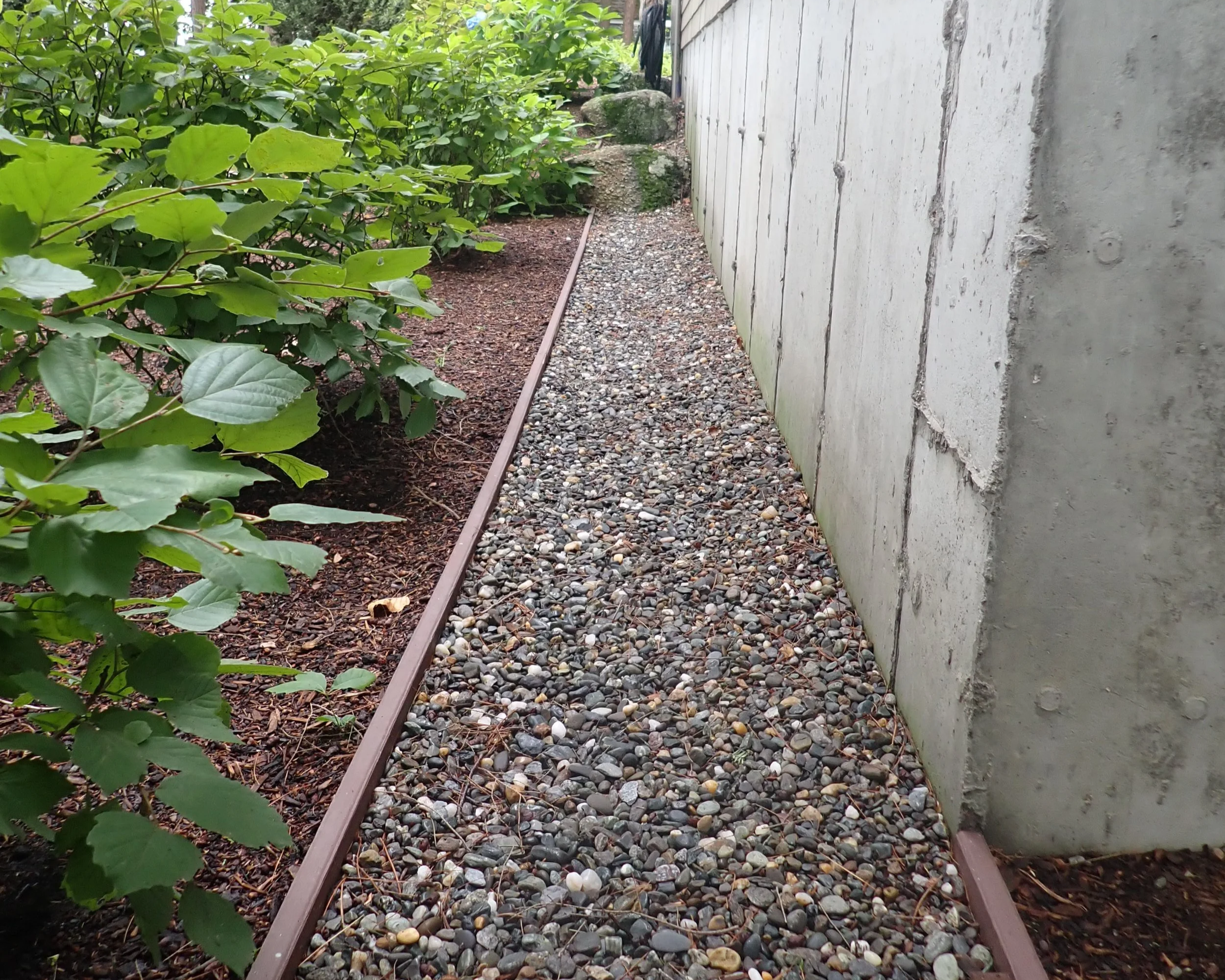
Homes, barns, sheds, and other structures prevent the natural infiltration of water, which increases the chance of stormwater runoff and erosion. Installing gravel trenches, rain gardens, or rain barrels, and designing patios with infiltration in mind, minimizes stormwater pollution.
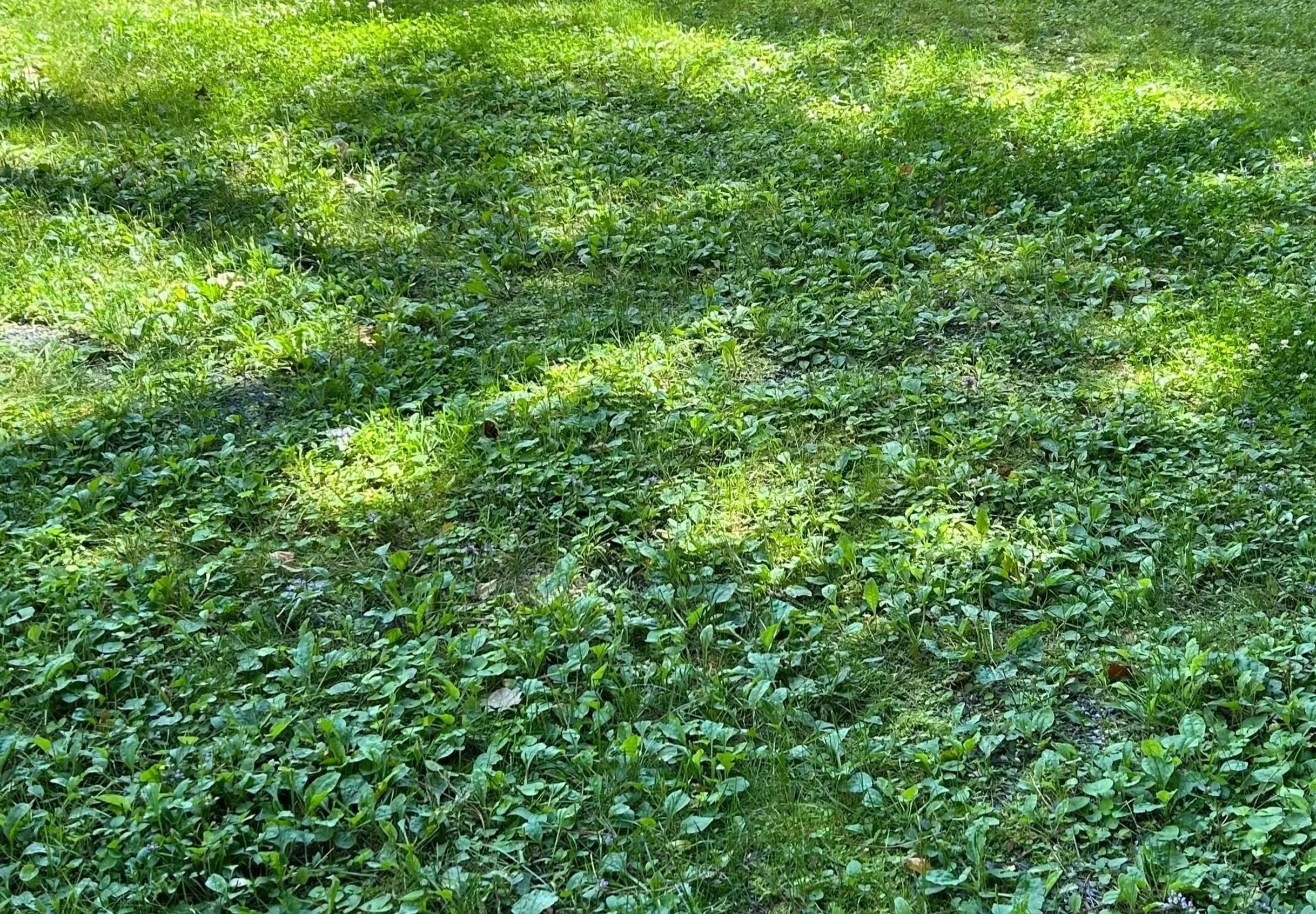
Lawns, footpaths and other areas cleared of natural vegetation can contribute to water pollution through runoff and erosion. Misuse or overuse of fertilizer on your property causes runoff pollution that feeds cyanobacteria blooms.
To protect water quality, landscape in ways that eliminate bare soil and stabilize steep slopes. Doing so protects your property from erosion and prevents stormwater pollution into nearby waterbodies.
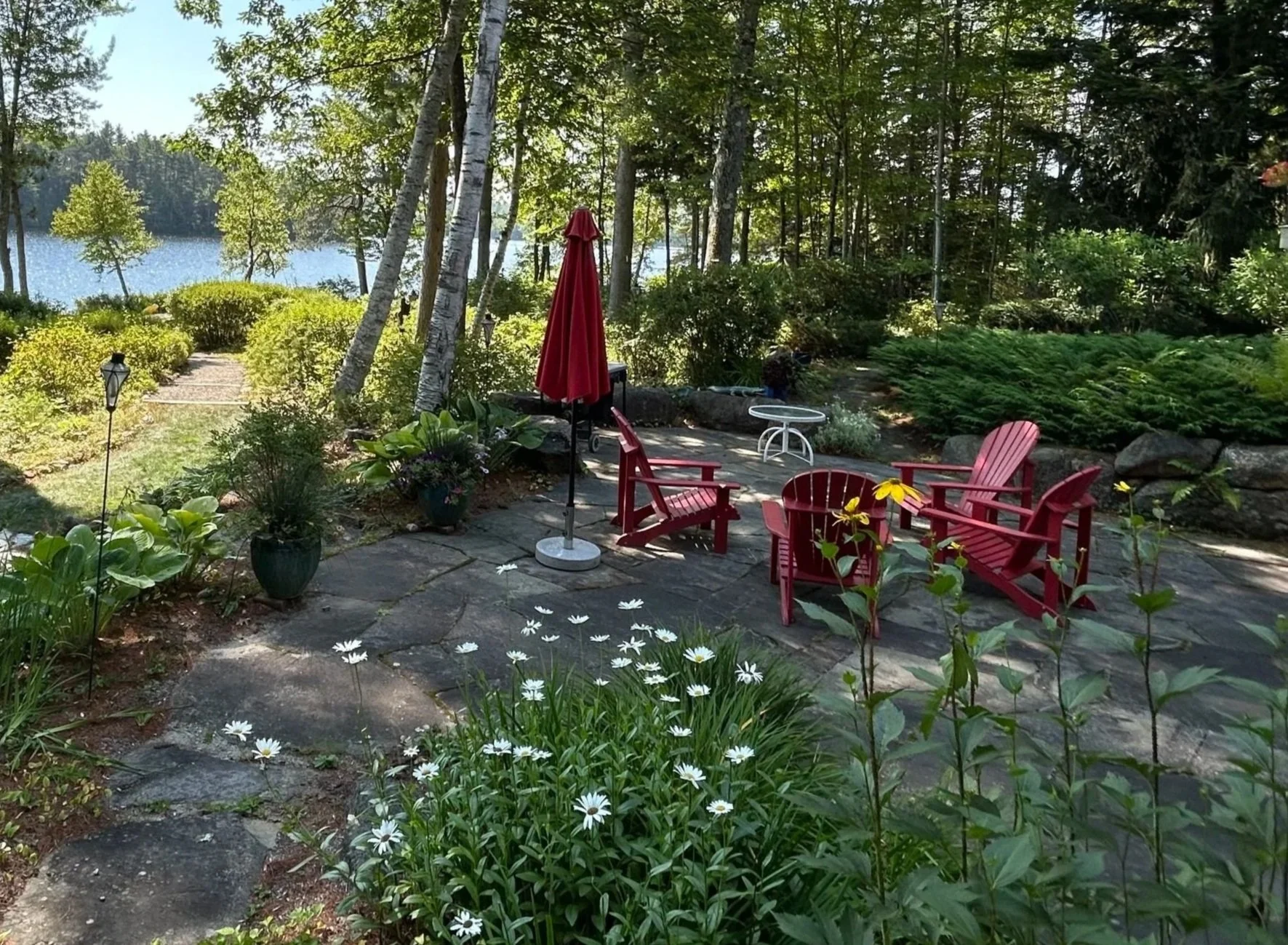
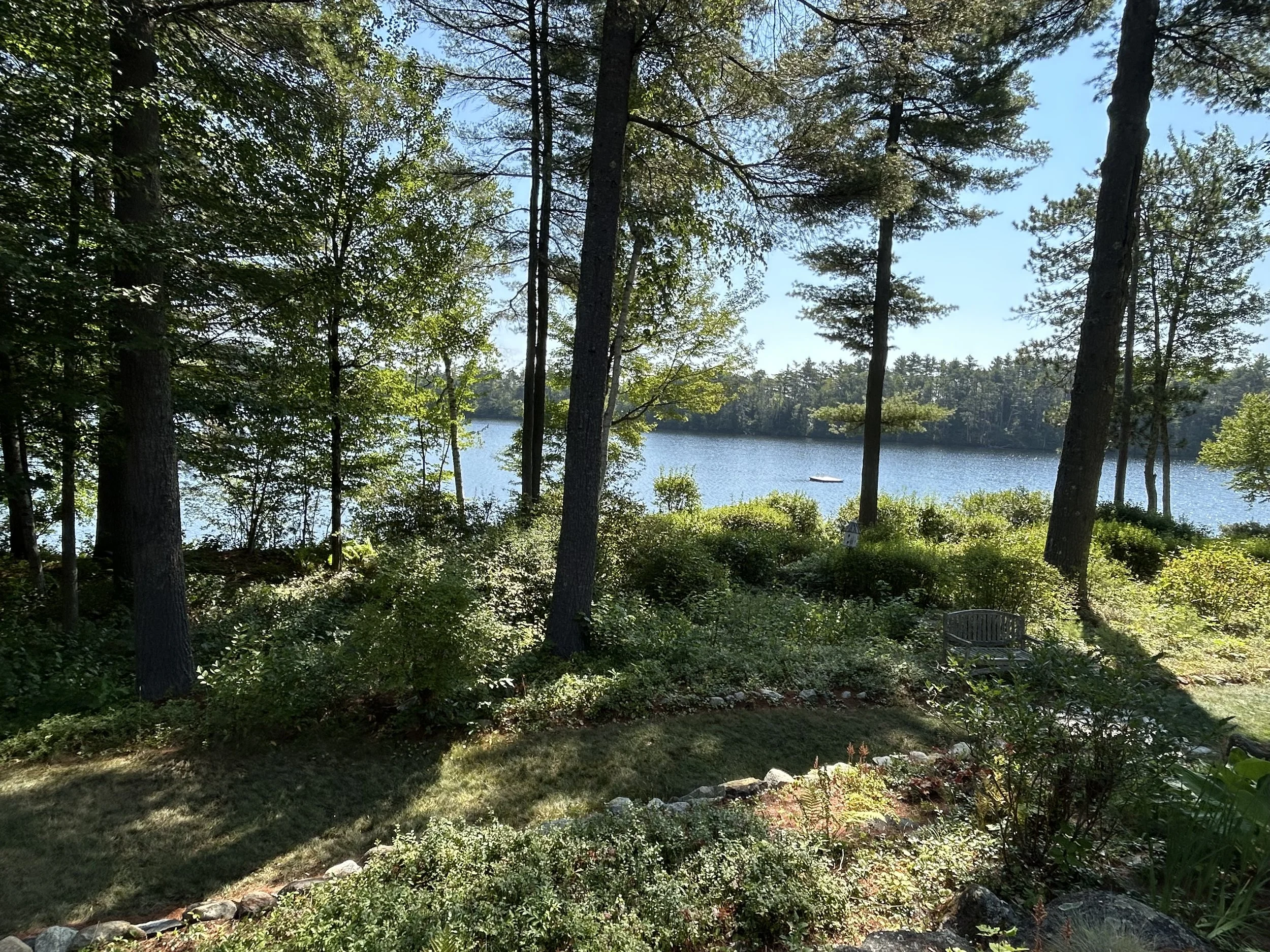
Vegetation along the shoreline is a lake or stream’s last line of defense against pollution coming off of the surrounding landscape and into the lake or stream. Vegetation prevents erosion, slows down stormwater, provides wildlife habitat, and discourages geese.
Regular maintenance of your sewer connection or onsite septic system helps extend its life and reduce the likelihood of failure. Failed systems pollute groundwater, lakes, ponds, and streams with bacteria and nutrients that drive cyanobacteria blooms.
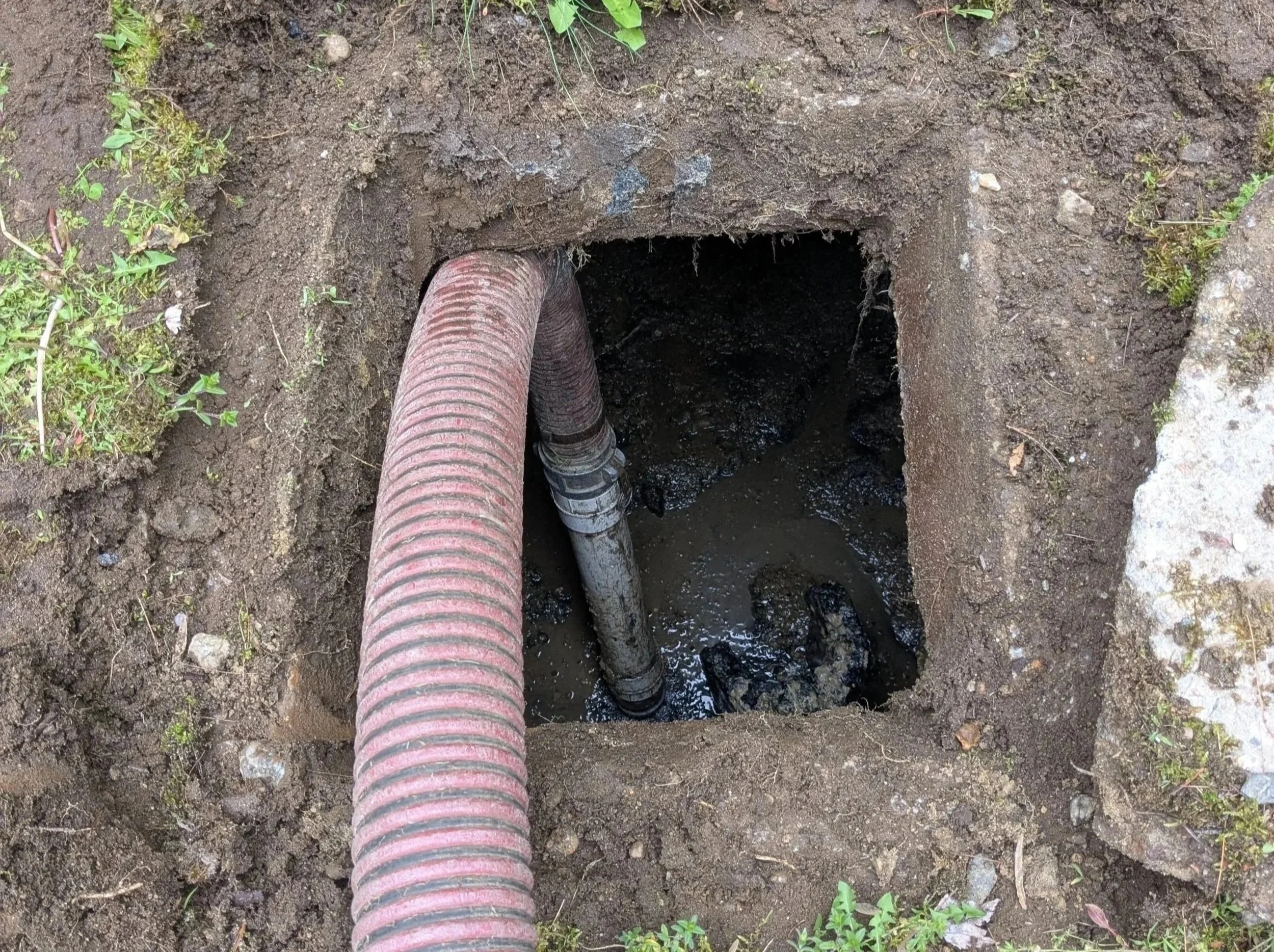
Photo credit: NHDES