
Driveway and Parking
Regardless of what their surface is made of, driveways and parking areas are generally impervious to stormwater. Rain and snowmelt can wash pollutants like sand and salt off of the driveway into nearby waterways, where they degrade water quality. This page includes best practices for stormwater diversion and winter snow/ice management on your driveway and parking areas.
Divert Water Off Your Driveway
Diverting water to the side of the driveway and into adjacent vegetation prevents the water from gaining enough speed to cause significant erosion and to prevent washouts. Ways to do that include:
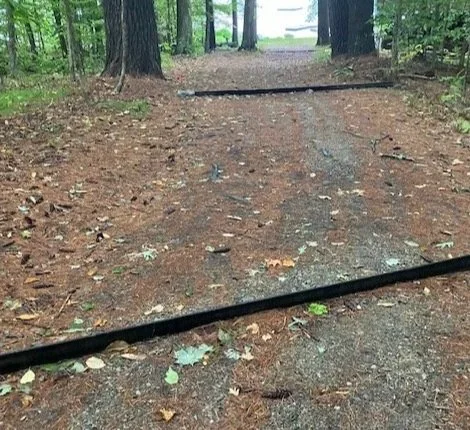
Photo: Lake Kanasatka Watershed Association
Rubber razors (a type of water bar): Flexible bars that divert water off of a driveway into adjacent vegetation before that water can gather enough speed to cause erosion. Rubber water bars can be plowed over during winter. They are also particularly useful on steep gravel driveways.
Open-top culverts: These create a small gap in the road surface. Water flows into the gap, where it is diverted off of the driveway. Easy to install and drive over, but shouldn’t be used on driveways that are plowed regularly in winter.
Crowned driveways: A method of grading a gravel or paved driveway so that water sheds off to the sides of the driveway, instead of running down the length of the drive. Intended for driveways with low to moderate slope (not steep).
Firehose diverter: a temporary or seasonal solution that intercepts stormwater and diverts it into vegetation or infiltration areas next to the driveway.
Any of the practices above can be paired with a gravel infiltration trench or rock apron (see page 2 of the link), both of which are ways to infiltrate after it diverts off the driveway.
Help Diverted Water Soak Into the Ground
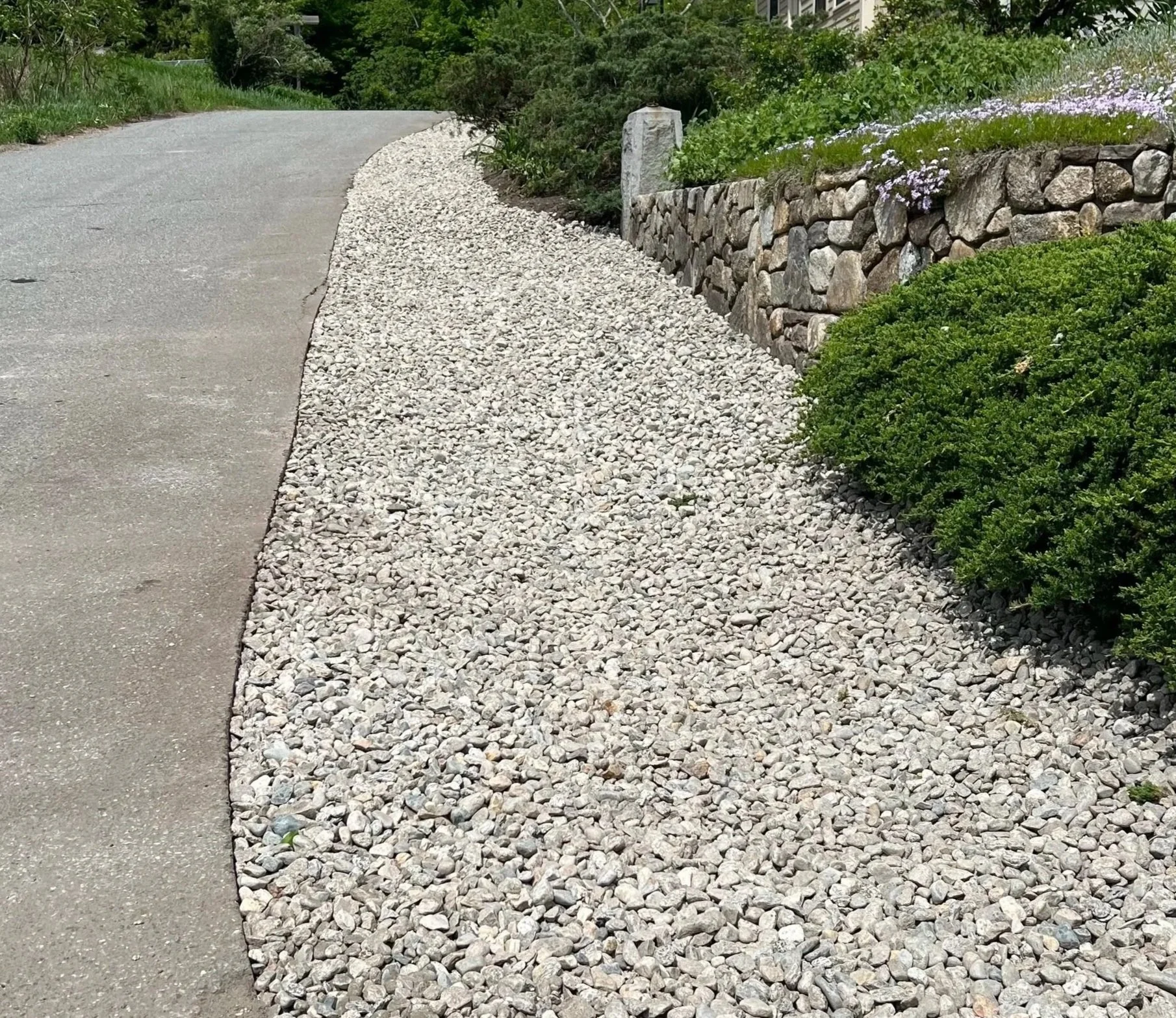
Gravel infiltration trenches, rock aprons, and dry wells help stormwater soak into the ground after running off of your driveway. This prevents the water from flowing across the landscape, picking up pollution, and creating erosion issues.
Driveway infiltration trench: Useful if the soil and vegetation beside your driveway shows signs of erosion.
Rock apron (page 2): A rock-lined structure that contains stormwater while it soaks into the ground. Best used at the outlet of an open-topped culvert or in another area where water has been diverted into a narrow channel.
Dry well: A hole filled with gravel to collect runoff and allow it to soak into the ground.
Vegetation: Planting groundcover or shrubs near your driveway helps absorb stormwater and prevent erosion.
Winter Snow and Ice Management
Most ice melting products contain chloride that is toxic to aquatic life, damaging to trees and shrubs, corrosive to vehicles and bridges, and is harmful to pets and wildlife.
Here are best practices to reduce your impact on local waterbodies while staying safe.
If you hire someone to maintain your driveway:
Hire a Green Snow Pro Certified Contractor. To find a contractor, go to this page and scroll down to the grey box “Looking for a certified commercial applicator?”
If you apply salt to melt snow and ice:
Apply chloride-free ice melting products. See some options on our salt page.
Shovel and scrape regularly to minimize the need for salt.
Apply sparingly. You do not need to feel the crunch for it to be effective at preventing ice from forming.
Do not apply chloride products when the temperature is below 15 degrees. Their effectiveness drops significantly at lower temperatures.
Sweep up extra salt at the end of the season or after the storm event. This prevents it from washing into a lake or stream.
If you apply sand for traction:
Apply only where needed for traction. Wood ashes can also be a good option for creating traction.
Sweep up excess when no longer needed, and reuse it later.
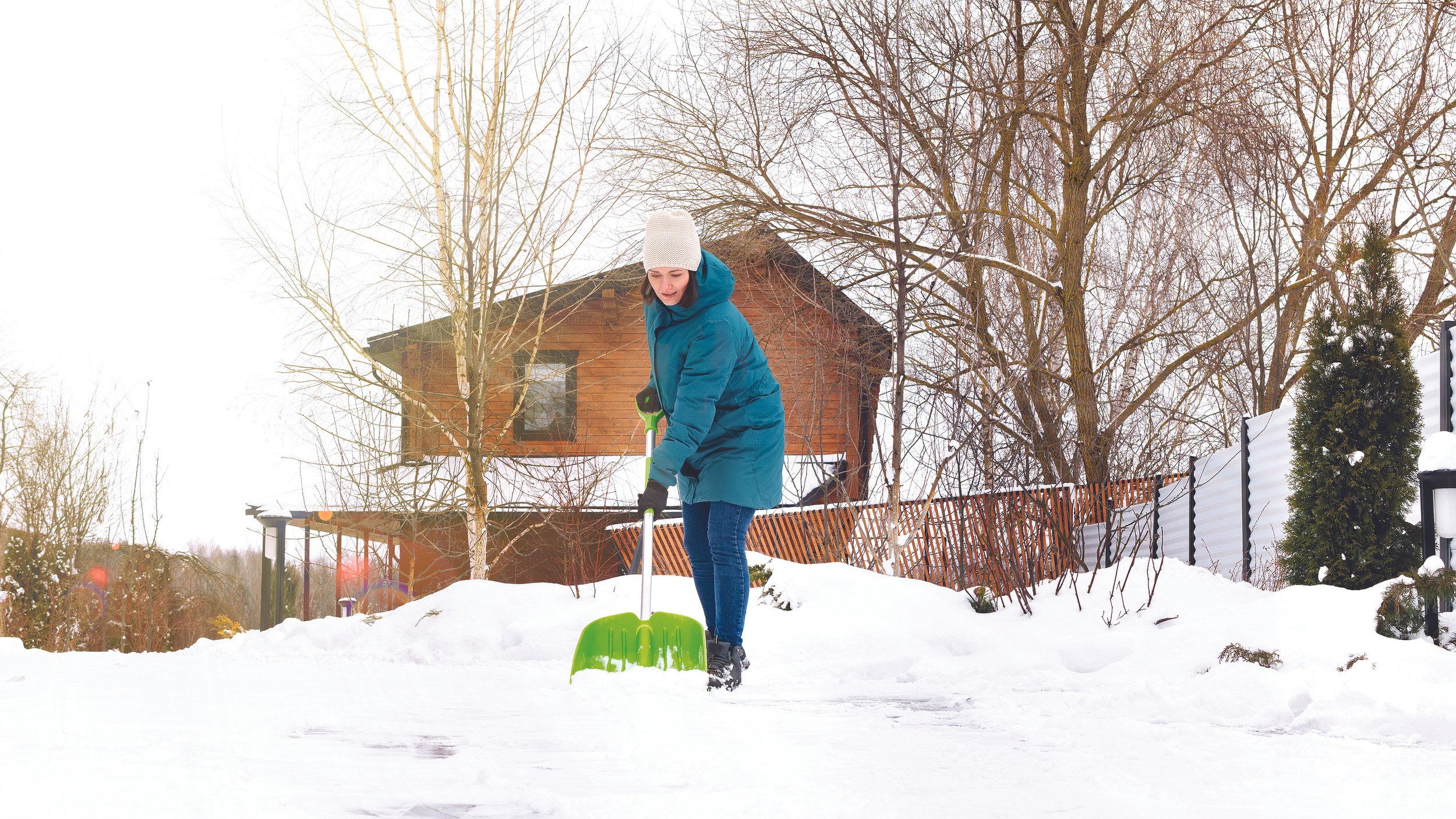
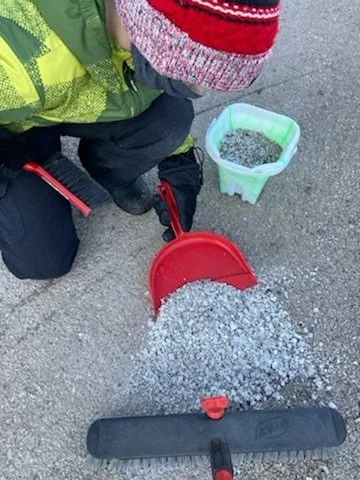
Photo: Wisconsin Salt Wise