
Landscaping And Recreational Spaces
To protect water quality, landscape in ways that eliminate bare soil and stabilize steep slopes. Doing so protects your property from erosion and prevents stormwater pollution into nearby waterbodies.
The information below focuses on paths, gardens, and steep slopes. Please visit the lawns and yards page for more information and resources on lawn care and fertilizers.
Design Paths to Prevent Erosion
The following practices limit the ability of stormwater to gain speed, erode soils, and carry pollution downhill to nearby waterbodies. Reducing erosion protects water quality and makes paths safer for people walking on them.
Create winding paths rather than straight chutes down to the water.
Angle paths across any slope, rather than running straight down the slope. This reduces the amount of water that will flow down the path.
Vegetate paths with grass or clover, rather than having bare soil or an impermeable surface like stone. The plants absorb rainwater and their roots help stabilize the path’s soil.
Choose a porous surface material like crushed stone, pea gravel, or stepping stones instead of paving paths.
For paths in steep areas, install infiltration steps. These steps made of wood and gravel keep water from running down the path.
If water is running straight down your path, install one or more water bars to divert it off of the path and into adjacent vegetation.
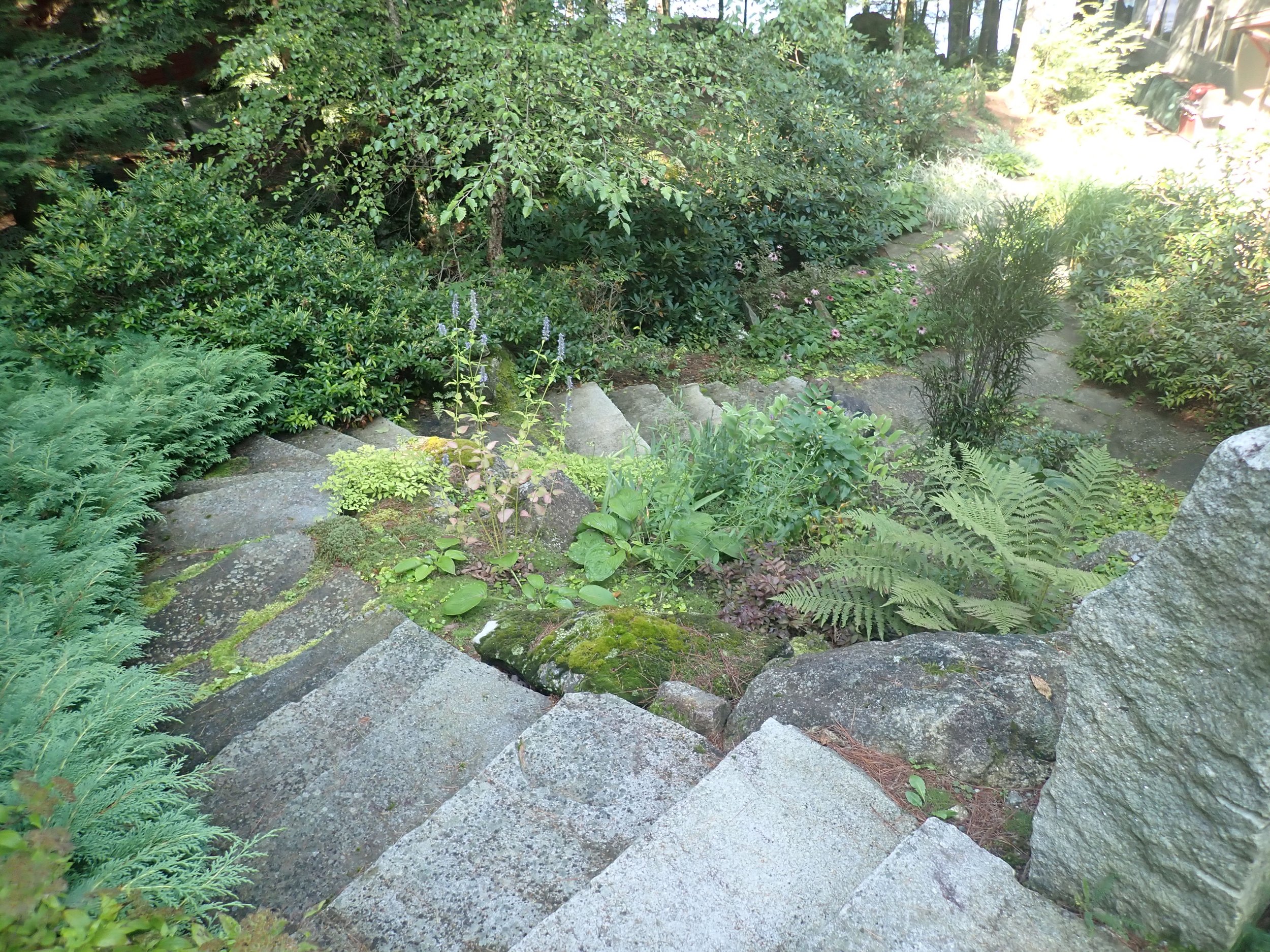
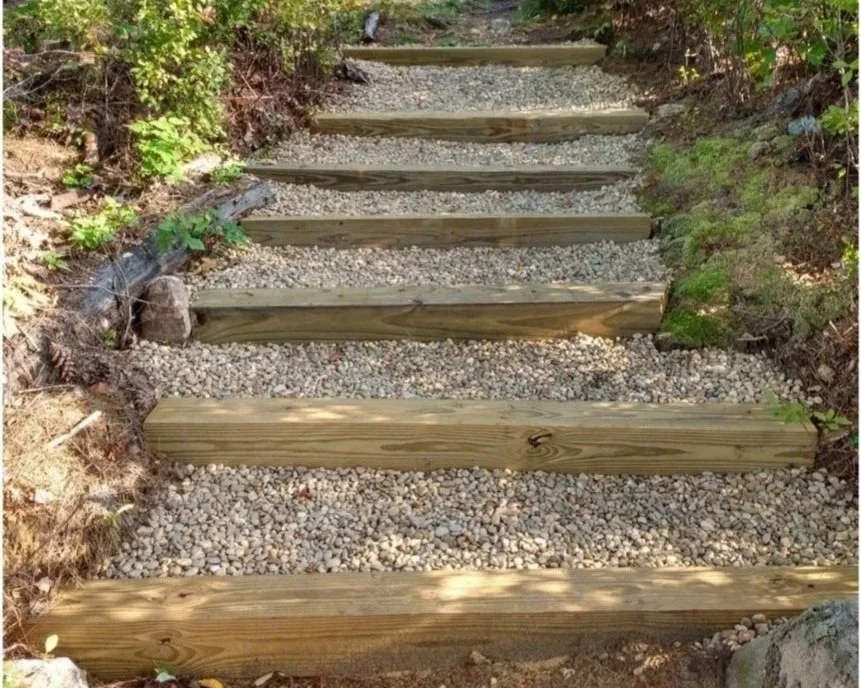
Photo: NHDES
Gardens & Landscaping
Using vegetation, mulch and leaves to cover bare soil is visually appealing and helps prevent erosion and water pollution.

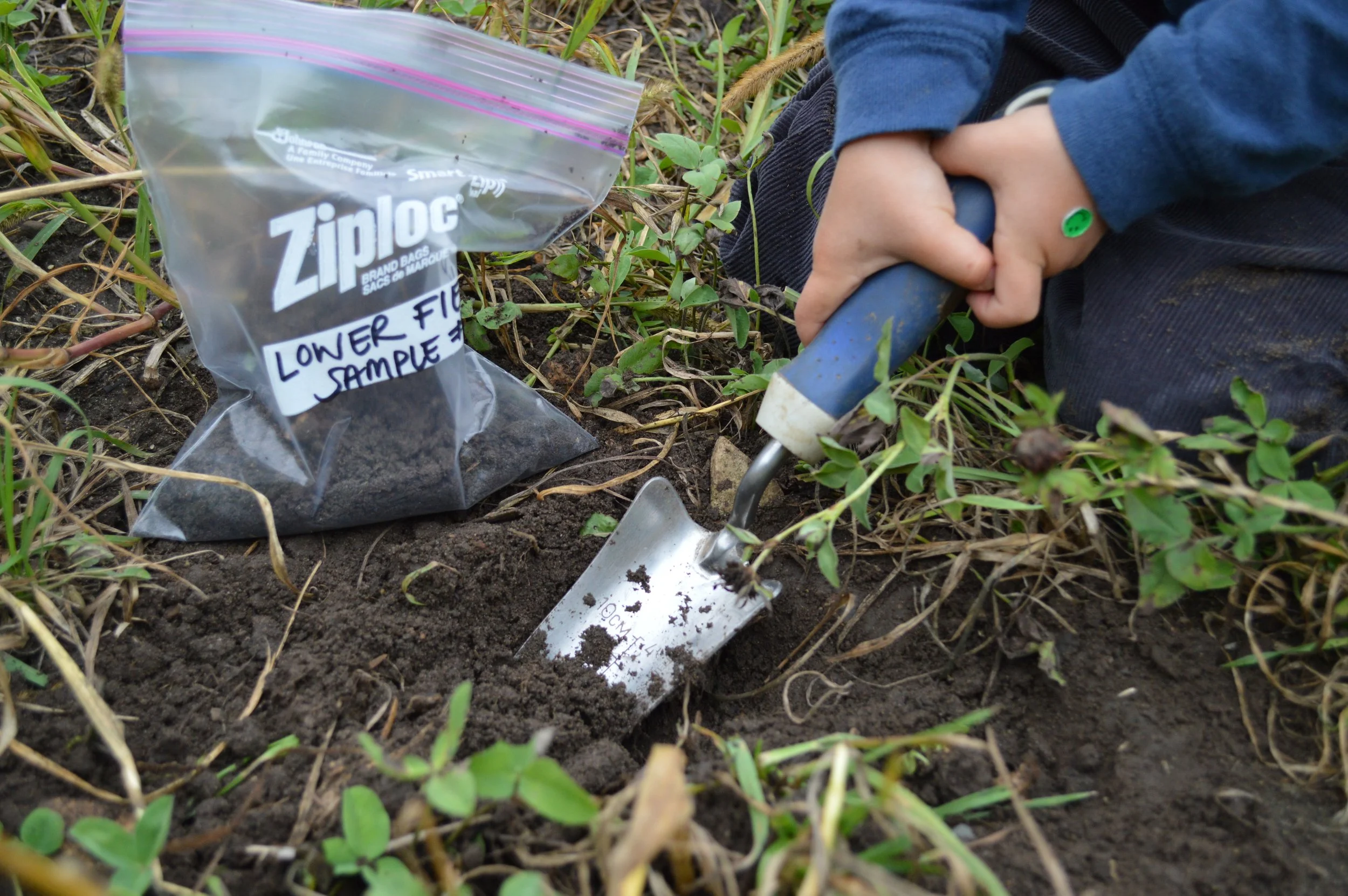
Photo: UNH Extension
If you own waterfront property, maintain a vegetated buffer of trees, shrubs, or groundcovers within 50’ of the shoreline. See our Waterfront Resources page for information about selecting plants and other actions to take on waterfront properties.
Apply mulch around new plantings. Mulch helps avoid runoff due to bare soil while plants get established and before they have grown to fill the space.
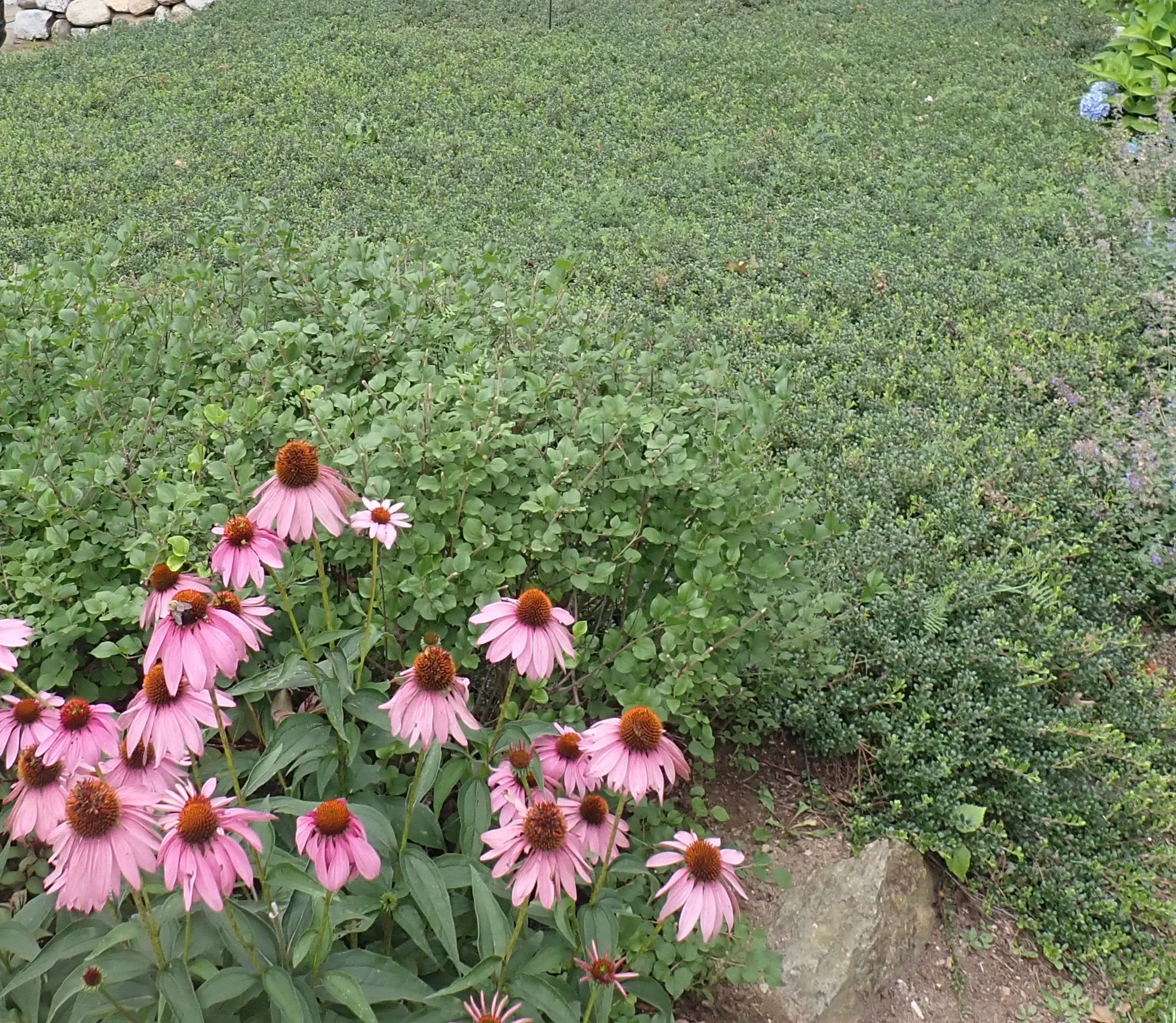
Incorporate groundcover plants into your landscape design. Groundcover plants grow laterally to cover bare ground, thereby stabilizing soil and reducing your need for mulch.
Leave the leaves that fall in garden beds or other landscaped areas. Leaves protect the soil from erosion during freeze/thaw cycles and from snow melt and rainstorms. They also insulate plant roots, thereby protecting your plants, and provide critical habitat for overwintering wildlife.
Map the flow. Think about where water flows across your property during a rainstorm, and ensure that area is vegetated. Vegetation will help capture rainwater and soak it into the ground, rather than having it runoff into nearby waterbodies. NH LAKES’ blog includes photos of some good examples of how to improve infiltration and transform hardscape areas while maintaining use of your property.
Test your soil before applying fertilizer. UNH Extension’s soil testing service will provide specific recommendations based on what you are trying to grow, so that you can apply only what is needed.
Avoid using herbicides, pesticides, insecticides, and rodenticides. All of these contain chemicals that can harm people, pets, and wildlife. Please visit the lawns and yards page for more information about lawn care and best practices for fertilizing.
Steep Slopes
Steep slopes are easily eroded, and so require additional care when planning your landscaping. The following practices can be used to intercept stormwater and help it infiltrate, rather than running down the slope and eroding the soil along the way.
Create a vegetated swale. Swales are shallow channels that hold or direct runoff. Vegetating them with groundcover plants helps reduce erosion (see step 4 in the vegetated swale link).
Avoid bare soil. Mulch any landscaping, and cover the soil with groundcover plants such as creeping dogwood (Cornus canadensis), American wintergreen (Gaultheria procumbens), sedges or ferns.
Wild Sods of Maine sells instant groundcover using native sods (blueberry, bunchberry, hay-scented fern, wintergreen, and more).
If you have a path that goes down your steep slope, install infiltration steps. These gravel and wood steps help stormwater stay in place and soak into the ground, rather than running down the path.
Other Landscaping Issues
Look through the Soak Up the Rain Do-It-Yourself Guides to see if any of the solutions are appropriate for your site.
Contact LSPA staff for advice on how to address more complex sites.