LSPA Watershed Wise Program
Choices homeowners make about how to manage their property directly impact our lakes, ponds, and streams. Watershed Wise is a free, confidential program where LSPA staff provide recommendations to property owners about how to maintain their property in ways that protect water quality.
Do your part to protect water quality - make your property Watershed Wise!
How to Participate:
Complete the Questionnaire
Site Visit: LSPA will contact you to schedule a visit to your property.
Implement Recommendations: LSPA will provide you with a confidential personalized report with suggestions for making your property more lake-friendly.
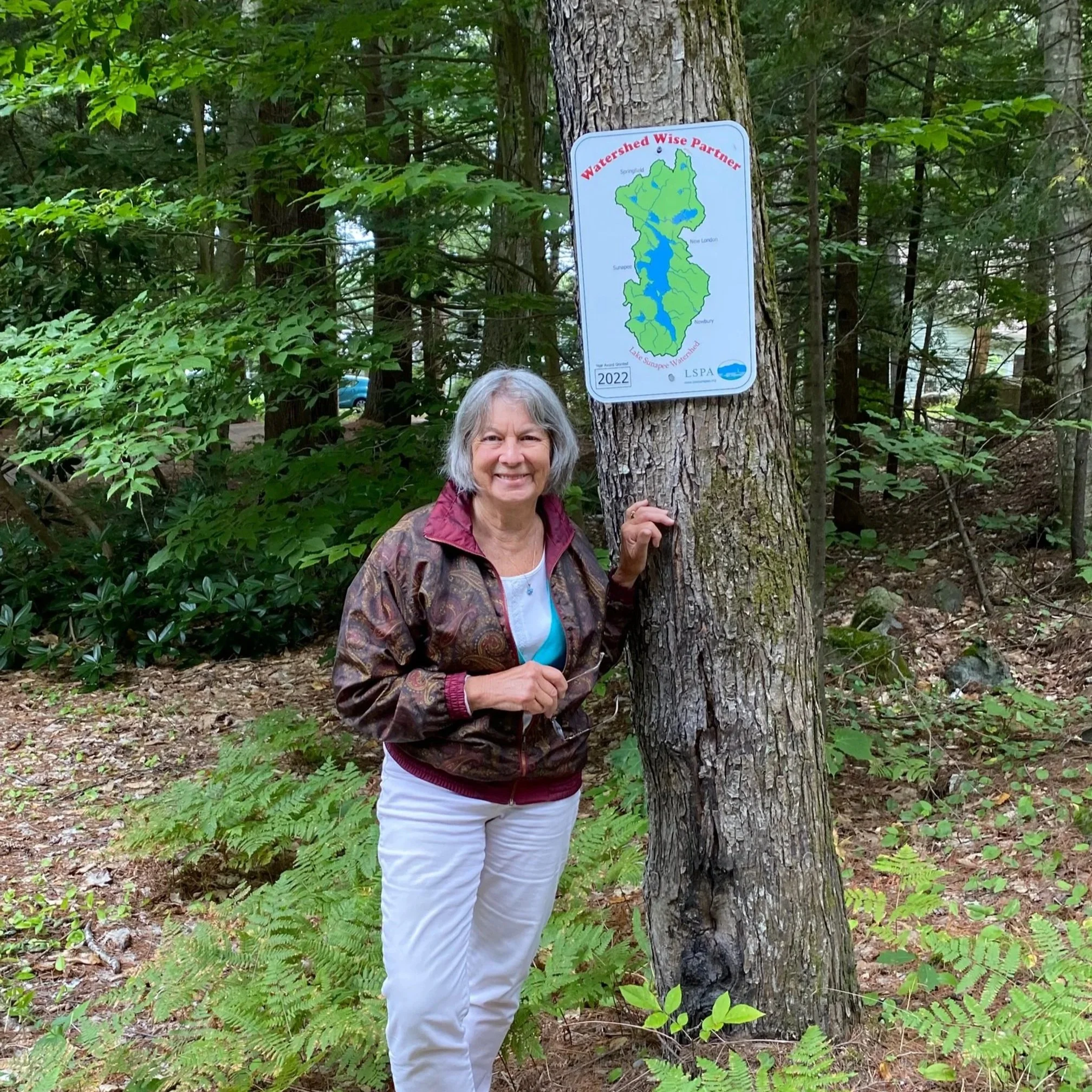
Homeowners whose property follows best practices are recognized as Watershed Wise Partners and receive a sign to display if desired. See our current list of Watershed Wise partners here.
Best Practices by Property Zone
Five areas are part of the questionnaire. For more information about best practices in each zone, please see our Watershed Wise Resources page or click on the headers below.
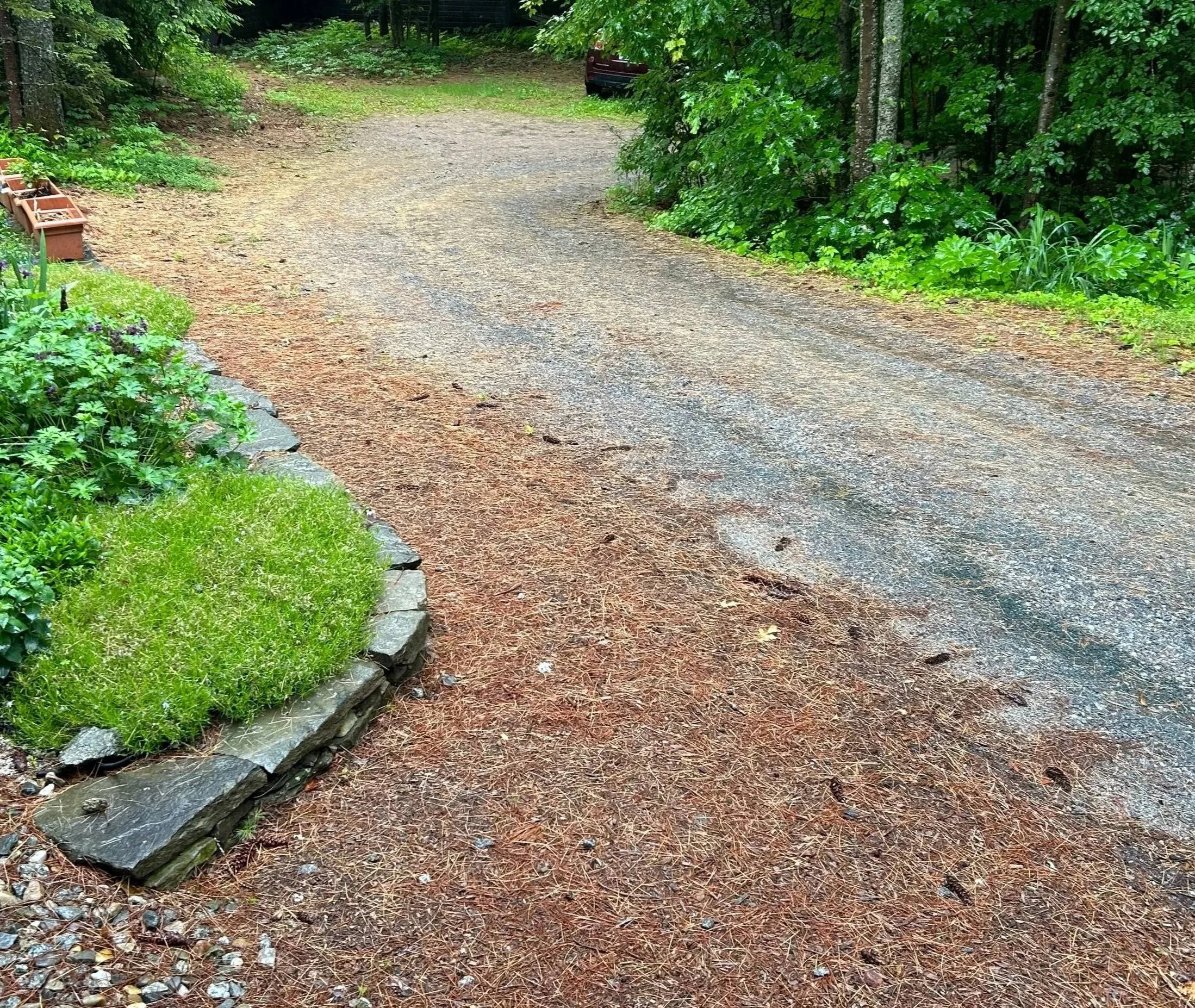
Driveway and Parking: Whether paved or not, these areas shed stormwater and contaminants that can lead to erosion and water pollution. Proper winter maintenance and measures to prevent erosion protect water quality.
Septic and Sewer Systems: Like other parts of your property, your sewer connection or onsite septic system needs to be maintained or it will fail, polluting groundwater, lakes, ponds & streams. Regular maintenance extends the life of your system.
Building Roof Runoff: Roof runoff should infiltrate into the ground in order to prevent erosion.
Recreational Spaces: Lawns, footpaths and other areas cleared of natural vegetation can contribute to water pollution through runoff and erosion. Misuse or overuse of fertilizer on your property can cause runoff pollution that feeds cyanobacteria blooms. Misuse of pesticides can also harm people, pets and wildlife.
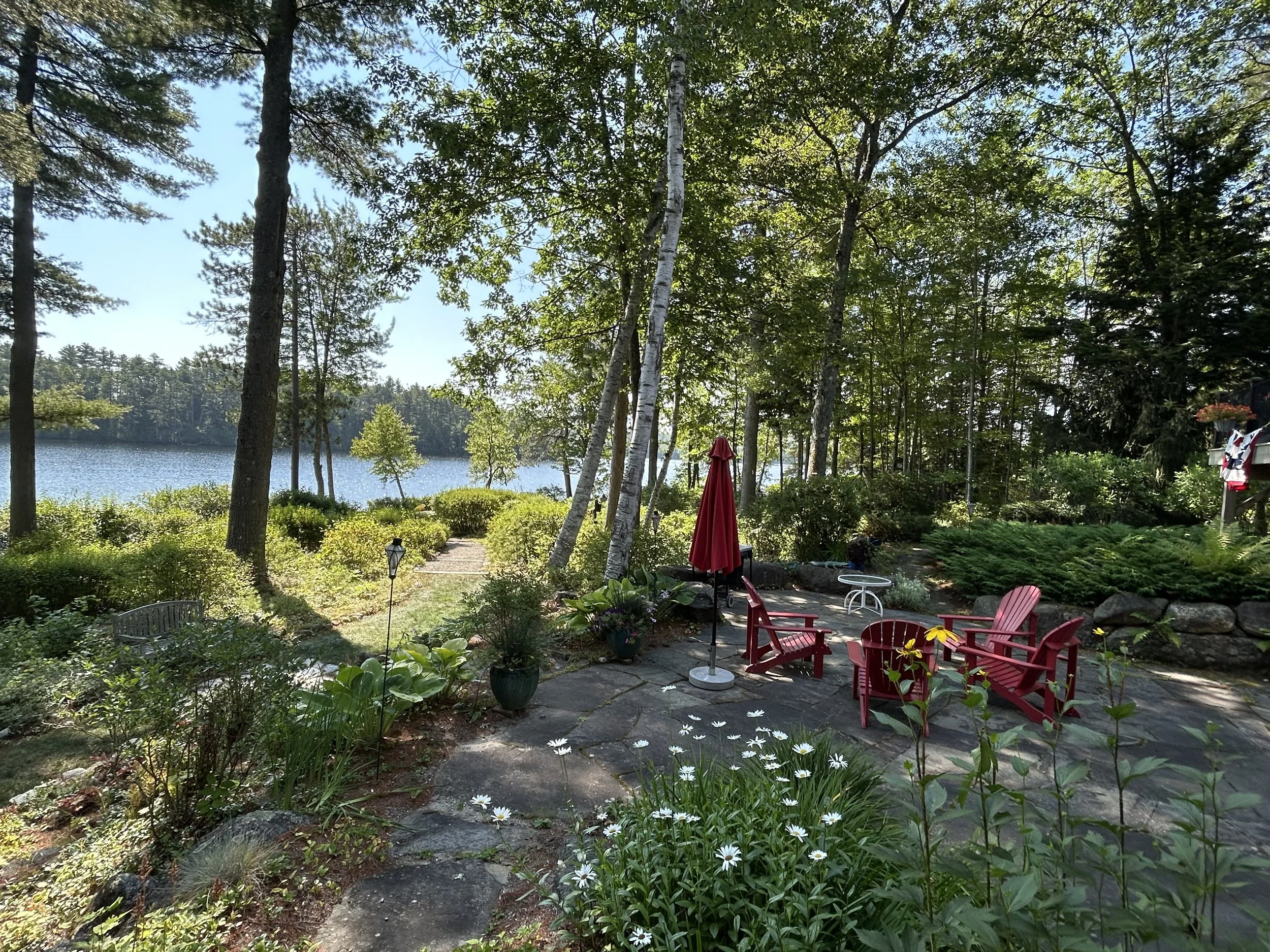
Waterfront (if applicable): Trees, shrubs, and groundcover vegetation along the shoreline is a lake or stream’s last line of defense against pollution coming off of the surrounding landscape.