
Roofs and Patios
Homes, barns, sheds, and other structures prevent the natural infiltration of water, which increases the chance of stormwater runoff and erosion. Installing rain gardens, infiltration trenches, or rain barrels, and designing patios with infiltration in mind, mitigates the potential for pollution from stormwater.
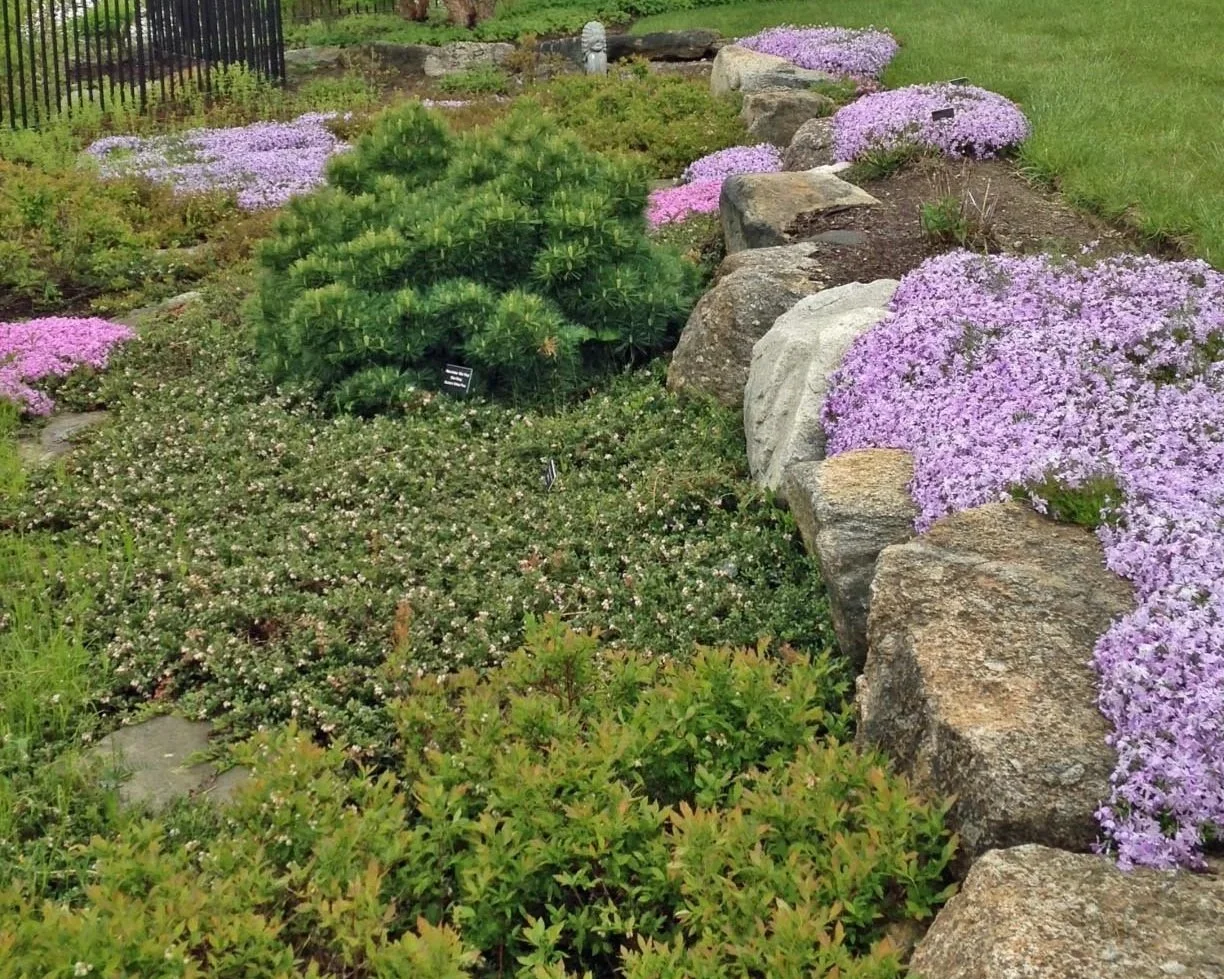
Rain Gardens to Capture Roof Runoff
Pipes can be run directly from your downspouts into the garden. Because the moisture levels in a rain garden fluctuate significantly, it is best to use plants that are known to be well-suited for a rain garden. Rain gardens capture stormwater while also adding beauty to your landscaping.
Soak Up the Rain Do-It-Yourself Guide - Rain Gardens: a step-by-step guide for how to locate, design, and install a rain garden.
How to Install a Rain Garden: this video shows many of the steps described in the Do-It-Yourself Guide.
UNH Plants for Rain Gardens: a list of plants suitable for rain gardens in different environments (sun vs. shade, sand vs. clay soil, etc.).
Infiltrate Roof Runoff
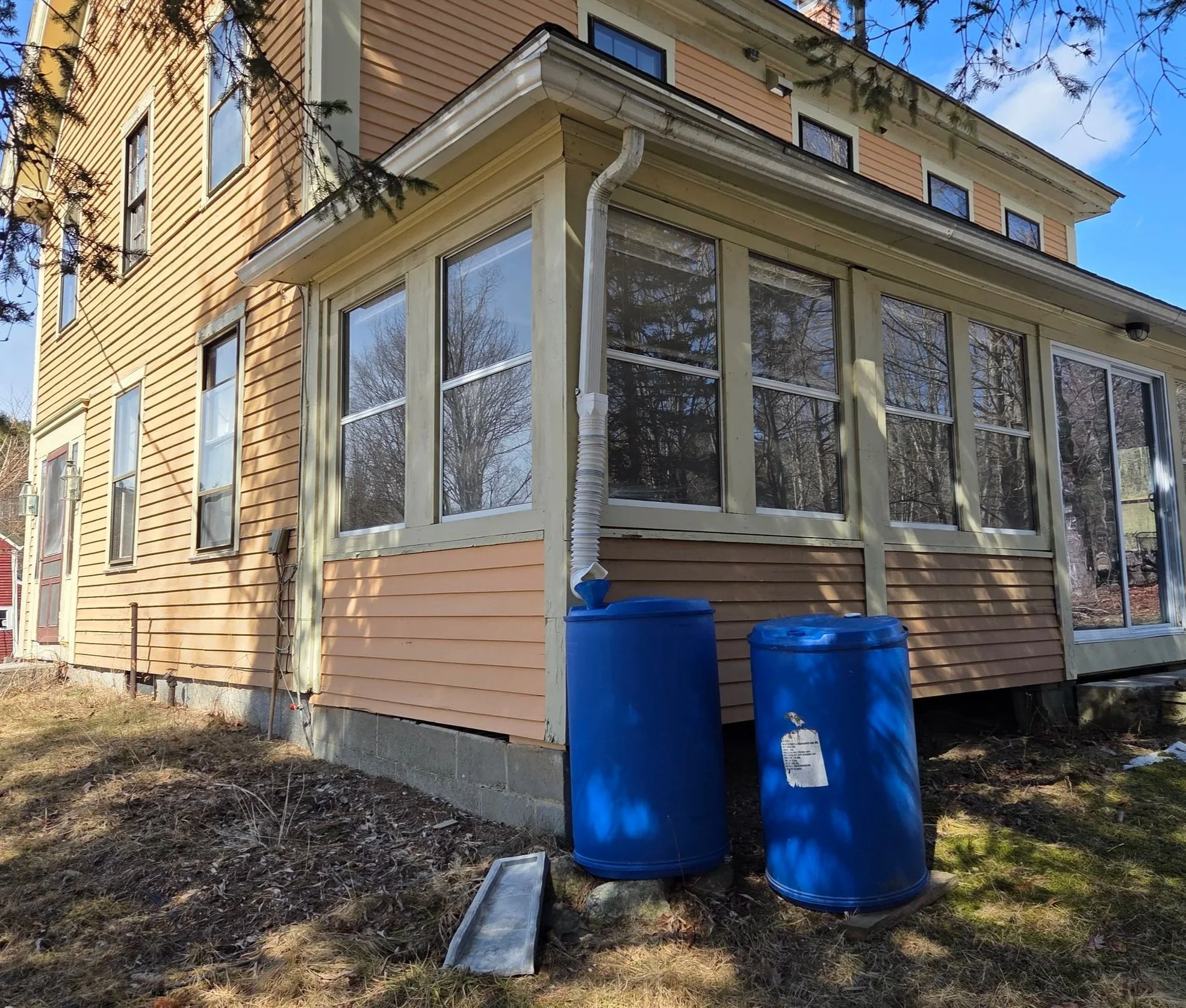
Check under your eaves after a moderate to severe rainstorm to see if there are drip marks, displaced soil, or bare soil. If yes, consider installing one or more of the following best practices.
Do-It Yourself Guides:
Dripline infiltration trench: a gravel-filled trench underneath the eaves helps water infiltrate on site.
Dry well: a gravel-filled hole designed to collect rainwater and infiltrate it slowly into the ground instead of having it run off.
Rain barrel: attached to the end of your downspouts, these barrels capture the water for later use on planters or flower gardens during a dry spell. (Irrigation of vegetables with water from asphalt shingle roofs is not recommended.) Rain barrels must be emptied between storms in order to be effective.
Note that like gutters, stormwater infrastructure requires occasional maintenance in order to ensure its continued effectiveness. Read the maintenance section at the end of each Do-It-Yourself Guide prior to committing to a particular stormwater solution.
Design Patios with Infiltration in Mind
Choosing the right materials for a patio surface can increase infiltration and reduce erosion.
Pea gravel or crushed stone: allows water to infiltrate across the whole surface area.
Permeable pavers: water infiltrates into cracks between each paver. Permeable pavers often have a bed of crushed stone underneath them that also encourages infiltration.
Pervious concrete: looks and functions similar to concrete, but is manufactured differently in order to allow water to infiltrate.
Porous asphalt: looks and functions similar to asphalt, but is manufactured differently in order to allow water to infiltrate.
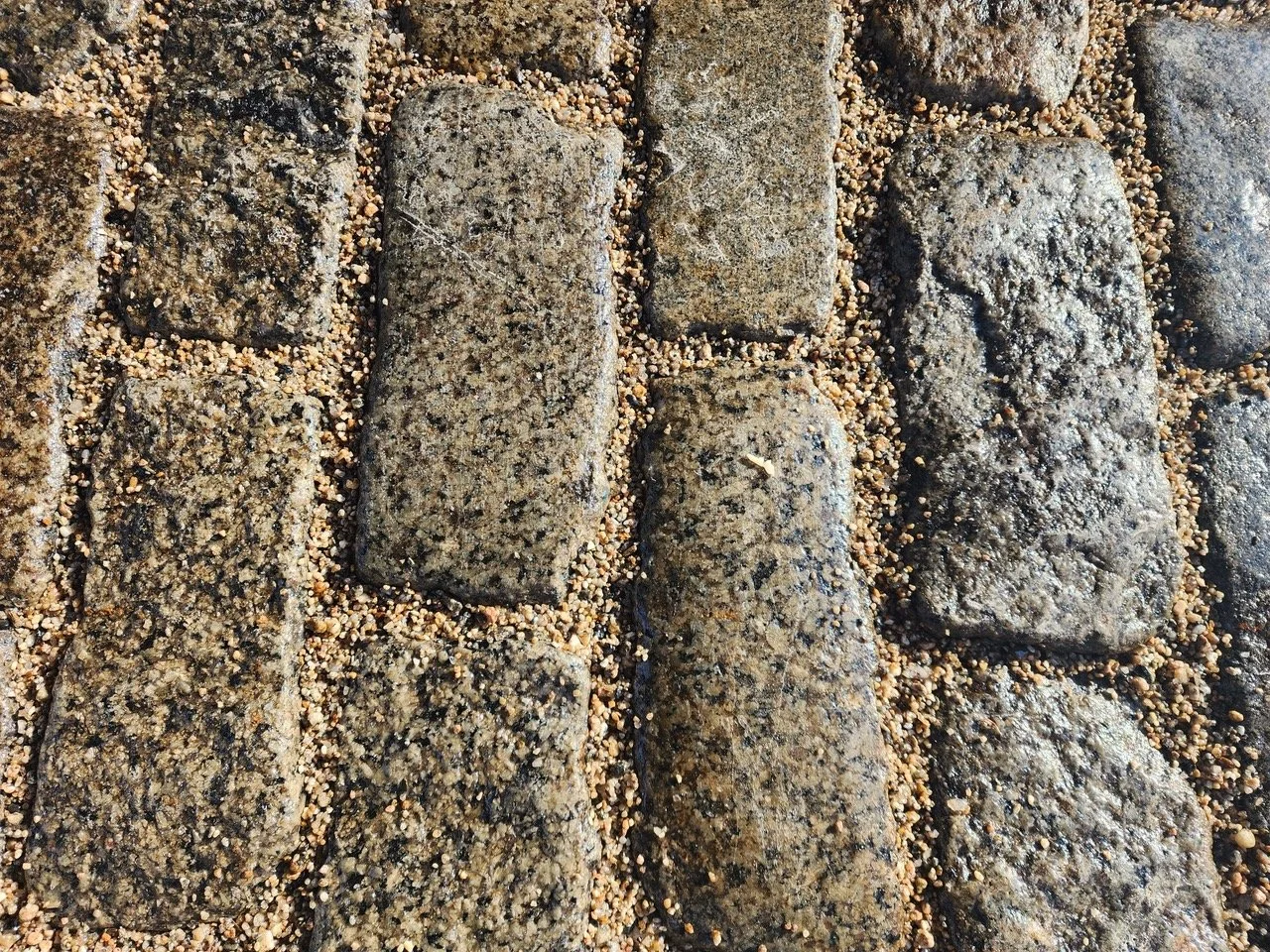
Photo courtesy of Gradient Landscape Architects
You can also encourage infiltration around your patio area by installing an infiltration trench or rain garden (see above) adjacent to the patio. Note that installing a new patio within 250’ of most lakes and larger streams may require a shoreland permit from DES. Use their Permit Guidance tool to help determine if your project needs a permit.