
Wastewater Management
Regular maintenance of your sewer connection or onsite septic system helps extend its life and reduce the likelihood of failure. Failed systems pollute groundwater, lakes, ponds, and streams with bacteria and nutrients that drive cyanobacteria blooms. The following practices extend the life of your system and help protect water quality.
Homes with a Septic System
Have your septic system pumped at least once every 3 years. For a list of septic companies servicing the Lake Sunapee Watershed, see the list at the bottom of our main Septic page.
Protect your leach field. Keep the leach field clear of trees and shrubs and avoid driving on it to prevent damage to the system.
Flush only toilet paper and human waste. Don’t use your toilet as a trash can. Even disposable items can harm the system. See DES’ What’s Flushable brochure.
Limit what goes down the drain. Don’t dispose of grease, food waste, chemicals or paint down the drain and avoid using a garbage disposal. These materials can prevent the system from operating properly.
Practice indoor water conservation. Fix leaks, install low-flow fixtures, and use water-efficient appliances to minimize stress to your system, and avoid simultaneous operation of appliances like the dishwasher, washing machine, and shower.
Have your septic system fully inspected at least every 10 years or if you observe any symptoms of concern, and act on any follow-up recommendations in the inspection report.
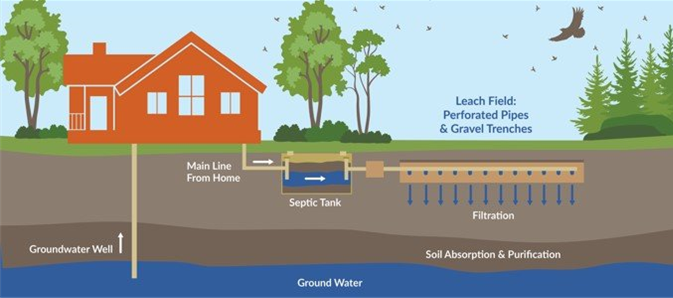
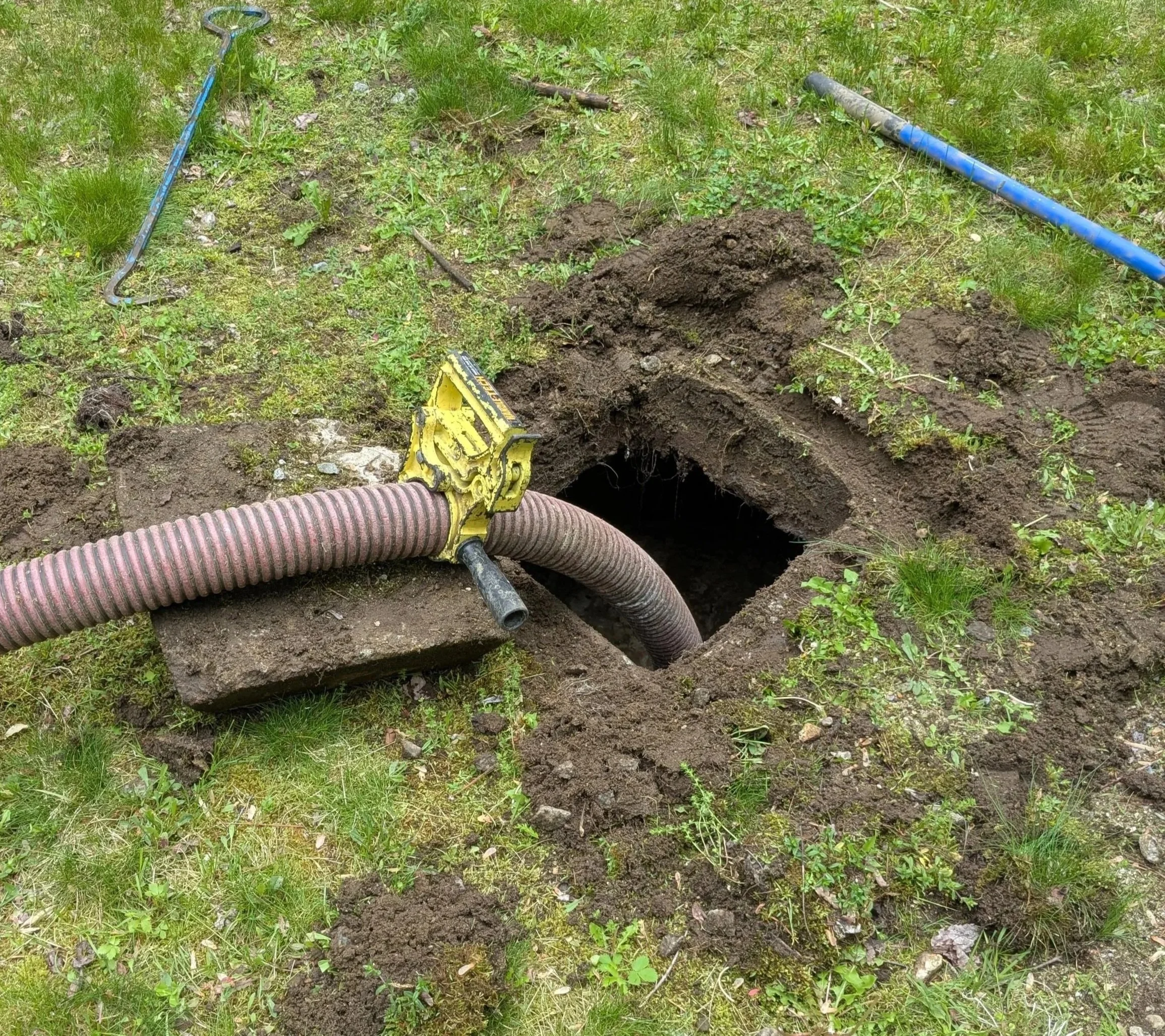
Photo credit: NHDES
A full inspection usually includes steps like checking the tank, inlet & outlet baffles, distribution box (if applicable) and leach field. Symptoms of concern include:
Slow drains
Sewage backup
Gurgling pipes
Sewage odors indoors or outside near your tank or leach field
Standing water or soggy ground near your leach field
Lush green grass near your leach field or septic tank
For more information about septic systems in the Lake Sunapee Watershed, as well as what LSPA and partners are doing to promote best practices, see the main Septic page. EPA also has a page explaining how to care for your septic system.
For more information about the age of your home’s septic system, contact your town’s health officer. A well-maintained septic system can often last 30 to 40 years before needing major work or replacement.